Building belonging: the true value of community
Digifest 2026 welcomed this year’s community champions who shared the amazing work they do, what motivates them, and why community is so important.
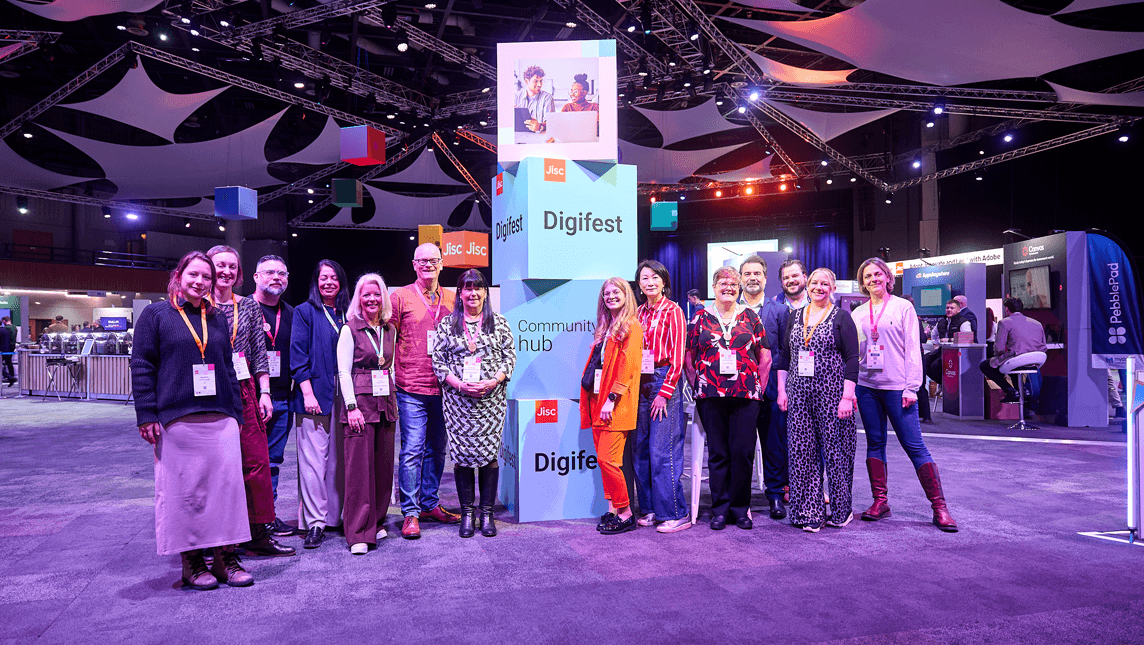
Community has long been a huge part of Digifest, and this year was no exception. With a lively and collaborative hub at the heart of Hall 3, delegates took the opportunity to meet with peers from across the sector throughout the two days of the event.
Key to the sense of community at Digifest are our community champions, 15 outstanding individuals recognised for going above and beyond - supporting colleagues across the sector by nurturing communities, building meaningful connections, and advocating for exceptional digital experiences.
Along with keynotes, workshops, lightning talks, and panel discussions Digifest provided tailored sessions where our champions could share the work they have done and how their communities have supported the education sector.
For the first time since the programme started in 2020, one institution, South Staffordshire College, had two champions, each showcasing best practice in technology and innovation. Digital inclusivity and wellbeing, ethical AI, and building staff confidence was just some of the work celebrated this year.
What motivates a community champion?
With champions working across higher and further education, motivation comes in many different forms, from improving the learner and staff experience with digital tools and supporting digital inclusion and equity, to creating safe spaces for educators leading on AI to share best practice. One overarching theme is the belief that technology should serve and support education, not complicate it.
One of South Staffordshire College’s champions, Alison Fawdrey, digital learning technologist, shared:
“I’m motivated by energy, curiosity, and those moments when learning just clicks. I love seeing learners fully engaged - excited by new technologies, proud of what they’ve created, and motivated to push themselves further. Whether it’s AI‑generated images igniting creative writing, the competitive thrill of LEGO SPIKE cars racing across the floor using learner‑written code, or instant AI feedback helping learners improve their work, those moments of engagement are what drive me.”
Her colleague and fellow champion, head of digital learning, Steve Wileman, said what motivates him is people:
“I love seeing others grow in confidence, especially when it comes to digital skills - something that so many people feel nervous about at first. Technology should make people’s lives better. I love exploring how digital tools can help teachers, educators and businesses reduce workload, cut stress and communicate more clearly. My motivation comes from seeing that transformation land in the day‑to‑day; when a lecturer gets time back for students, when a team shares knowledge more openly, or when a colleague feels confident enough to pass on digital skills that make our learners more employable.”
Sacha Hasan, assistant professor/lecturer at Heriot Watt University, shared that her motivation is to centre the voices of those often excluded from decision-making processes. Nominated as a champion for her work in a research project that identified critical gaps in digital mental health services for autistic adults, Sacha said:
“Through projects like ID-Mind, which brought together over 25 stakeholders to address digital mental health for older autistic people, and my work with refugee communities and people with complex needs, I've seen how facilitating collaborative spaces creates both immediate impact and lasting change. My motivation stems from witnessing how shared learning across health, policy, academic, and lived experience communities can transform understanding and practice, particularly for marginalised groups who deserve equitable access to services and opportunities.”
Why community matters
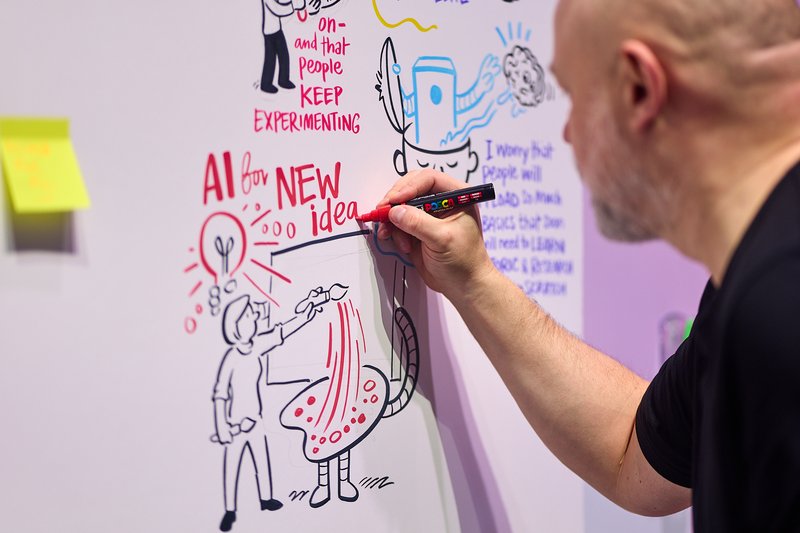
With AI and digital practice continuing to move at a rapid pace, change in education is inevitable and can be overwhelming. For this change to be meaningful and to benefit learners and staff, the support of community in collaboration, problem-solving, and collective action is vital. Communities offer one of the most authentic ways to develop skills and tackle shared educational challenges. They create spaces where people feel connected, supported, and empowered to grow together.
Our new activating community-led digital skills guide focuses on harnessing these connections and will take you from the core principles for network building through to embedding your own framework. This approach to digital skills provides invaluable peer support and helps to strengthen confidence.
Our champions are clear on the importance of creating strong and supportive communities.
Dr Brian McGowan, a lecturer from Ulster University, was nominated for supporting generative AI literacy, creating agile approaches to learning and teaching that centre on the authenticity of the staff and student relationship. Brian shared his thoughts:
“Community is important because it builds collective strength in areas of practice that are complex, uncertain, and rapidly evolving. Through shared dialogue, critical reflection, and peer support, communities develop a shared understanding that supports more confident and coherent practice. Ultimately, strong professional communities turn individual insight into collective capability that benefits staff, students, and the wider institution.”
What it means to be a community champion
Proud, humbled, grateful. Three of the words our champions used to describe their reactions to being acknowledged this year, and all 15 of our chosen individuals were clear that the recognition goes far beyond an individual accolade and instead speaks to the true power of what can be achieved when colleagues work together. Zoe Tierney, learning technologist at Burton and South Derbyshire College, said:
"Being recognised as a community champion means being trusted to represent, support, and connect others within education. It reflects a commitment to collaboration rather than individual achievement, and to using influence responsibly to amplify good practice, shared learning and inclusive digital approaches.”