
How collective action is creating a fairer future for research
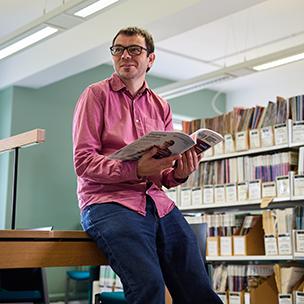
We spoke to James Antony-Edwards, librarian at the University of Exeter, to discuss how our involvement in negotiating with the big five publishers is leading to a better future for open access to research.
The costs of publishing and accessing research are a significant expense for higher education institutions at a time of significant financial pressures. Alongside these challenges, universities are working to ensure that research can be shared more openly, reach wider audiences and deliver greater societal impact.
Open access to research has the potential to accelerate scientific progress, support innovation and ensure research reaches the people and communities who can benefit from it most. Research can only deliver its full value when it is published, discovered and used.
Addressing these challenges requires more than individual institutional action. Through collective, sector-led negotiation, we work on behalf of the UK higher education sector to help reshape scholarly publishing, improving affordability, widening participation and supporting a more sustainable future for research.
By negotiating with all five major publishers simultaneously on behalf of the sector, we have secured world-leading agreements that delivered substantial savings for institutions.
By negotiating with all five major publishers simultaneously on behalf of the sector, we have secured world-leading agreements that delivered substantial savings for institutions and helped advance more sustainable approaches to scholarly publishing.
The video below explores how sector-wide collaboration has helped drive this change.
"As individual institutions, we don't have knowledge of the whole breadth of the publishing sector. These negotiations have had a big influence on us – they've made us really look at what we want out of these journal deals, what value for money means, and what the future of publishing looks like."
- James Anthony-Edwards, librarian, University of Exeter
A shared challenge requires a shared response
UK universities spend approximately £150 million a year on agreements with major academic publishers.
Many traditional publishing models continue to rely on article processing charges and volume-based approaches that can incentivise growth in publishing output and unsustainable increases in costs. Over time, this creates affordability challenges and can restrict participation for researchers working outside well-funded environments.
The impact extends beyond higher education. When barriers to publishing and accessing research persist, opportunities for collaboration, innovation and wider societal benefit can be limited.
No single institution can address these challenges alone. Meaningful change requires a coordinated, sector-wide approach that brings together expertise, evidence and collective influence to shape a more sustainable publishing landscape.
Why open access matters
A 2021 report by Alma Economics (pdf) estimated that a UK-wide transition to open access could unlock £5.3 billion in social returns on research and development investment.
The benefits extend far beyond academia. Wider access to research can help businesses apply new knowledge, strengthen collaboration between universities and industry, support public services and increase the wider economic and societal impact of research.
Realising this potential depends on a publishing system that enables research to be shared openly without creating unsustainable financial pressures or excluding researchers who lack funding.
Pioneering open research practices, including the sharing of research outputs and underlying data, alongside models that reduce barriers for both readers and authors, offer a more equitable and sustainable path forward.
Pioneering open research practices, including the sharing of research outputs and underlying data, alongside models that reduce barriers for both readers and authors, offer a more equitable and sustainable path forward.
Delivering change through sector-wide collaboration
Individual universities have limited influence over the commercial terms and business models offered by global academic publishers. They also have different priorities, levels of funding and research activity.
By bringing institutions together, we help to create a stronger, collective voice for the sector.
Our next generation open access programme aims to create a more sustainable future for scholarly publishing. It brings together the sector’s priorities around affordability, participation and sustainable open research. In doing so, it supports wider ambitions for economic growth, research collaboration and societal benefit.
To inform this work, we convene a publisher negotiations expert group that brings together representatives from a diverse range of university libraries, from specialist and teaching-focused institutions to large research-intensive universities.
These insights are essential to our negotiations. They ensure the sector's priorities are reflected in discussions with publishers and help to secure outcomes that would be difficult for individual institutions to achieve alone.
Collective negotiations have demonstrated what is possible when the sector speaks with one voice. The resulting agreements have been recognised internationally for helping to move scholarly publishing beyond traditional volume-driven models towards more sustainable approaches that support open research, improve affordability and widen participation.
By representing the sector in this way, we reduce duplication of effort, strengthen negotiating influence and help to deliver greater value for members while supporting long-term change across scholarly communications.
Collective negotiations have demonstrated what is possible when the sector speaks with one voice.
Shaping what comes next
We manage more than 450 sector agreements and, through our licensing expertise, save the education and research sector more than £600 million each year.
By coordinating collective demand, sharing expertise and negotiating on behalf of members, we help institutions to maximise budgets, reduce risk and access solutions on terms designed specifically for education and research.
“We’re in a good position because we spend a lot of our time understanding our members’ priorities and listening to their requirements, which makes us an essential collective voice for the sector.”
- Caren Milloy, director of licensing, Jisc
This approach gives the sector a stronger voice and creates opportunities to influence markets, improve value and drive long-term change that would be difficult for any institution to achieve independently.
As financial pressures continue and expectations around openness and research impact grow, collaboration will remain essential to creating a more sustainable future for scholarly publishing.
Continue reading

Sign up to Headlines
Stay at the forefront of technology in education and research with our tailored newsletter.